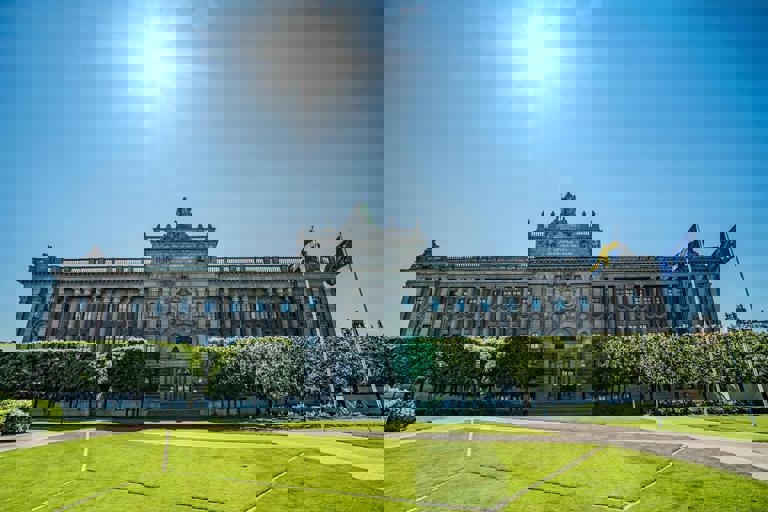
A sweeping new immigration bill has ignited intense debate within Canada’s Parliament, splitting lawmakers along partisan and ideological lines. The proposed legislation, unveiled by the government earlier this week, seeks to enact wide-ranging reforms to the nation’s current immigration system. Supporters argue the bill is overdue, promising more efficient entry procedures and more stringent border controls. However, its detractors say the changes risk undermining Canada’s longstanding reputation for inclusivity and compassion toward newcomers.
Central to the contentious bill are changes to entry requirements, including stricter documentation checks and increased vetting of applicants. The government claims these measures are crucial for maintaining national security, especially in the wake of evolving global migration trends. Immigration Minister Aisha Rahman stated, “We must update our processes to reflect today’s realities, while remaining true to Canadian values.” The bill also proposes new quotas for various categories of immigrants, such as skilled workers and refugees.
Opponents of the legislation have voiced concerns that the new rules could create barriers for families attempting to reunite in Canada. During parliamentary debates, several MPs warned that heightened requirements might disproportionately affect vulnerable groups, including asylum seekers fleeing conflict zones. NDP spokesperson Lucas Chen remarked, “At a time when the world faces refugee crises, we cannot afford to close the door on those in desperate need.”
The bill’s economic implications have also been a focal point of discussion. Business groups—the Canadian Chamber of Commerce among them—have expressed guarded optimism, asserting that better-managed immigration could help address labour shortages in critical sectors. Nonetheless, some economists caution that overly restrictive quotas might limit Canada’s ability to attract global talent. A recent Statistics Canada report highlighted the pivotal role immigrants play in filling key positions nationwide.
Public reaction has mirrored the divide in Parliament. Advocacy organizations like the Canadian Council for Refugees have mobilized supporters, organizing rallies and launching petitions against the proposed overhaul. In Montreal, hundreds recently marched in protest, chanting slogans in support of more inclusive policies. Polling by Ipsos suggests the public remains evenly split, with 48 percent in favour of stricter controls and 46 percent advocating for more open immigration policies.
Legal experts have begun to scrutinize the finer points of the bill as it makes its way through committee review. Some have flagged potential conflicts with Canada’s existing obligations under international law, particularly the 1951 Refugee Convention. “Canada has a proud history of upholding international humanitarian commitments,” noted University of Toronto law professor Michelle Dubois. She emphasized that Parliament must tread carefully to avoid legal challenges that could arise once the law is enacted.
Throughout the debate, lawmakers have exchanged pointed words over what it truly means to be Canadian. Proponents of the bill argue that safeguarding borders is an act of responsibility and national interest, while critics maintain that openness and diversity constitute the nation’s core values. Prime Minister Justin Trudeau has called for a “balanced approach,” urging MPs to work toward a solution that ensures both security and compassion.
As the immigration bill advances towards a crucial vote, its future remains uncertain. Parliamentary committees are expected to hear further testimony from stakeholders, including immigrant communities and legal experts, in the coming weeks. With strong opinions on both sides and public interest mounting, the debate over the proposed reforms could shape not only immigration policy, but also the broader political climate in Canada for years to come.