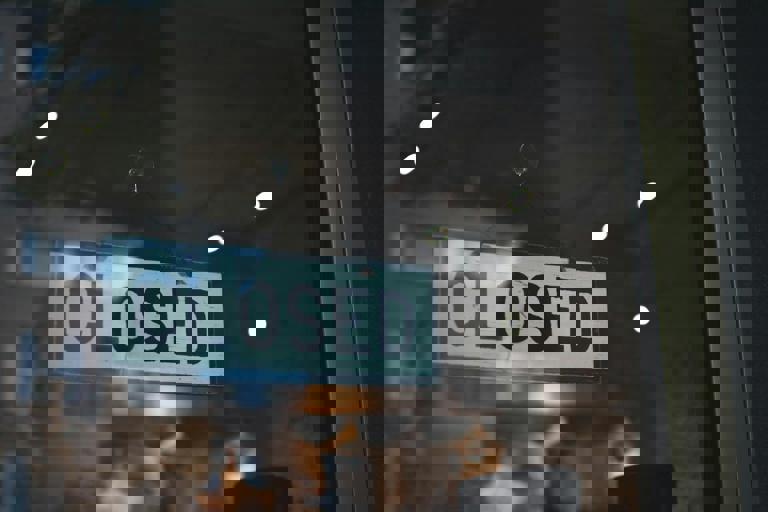
Shoppers and local vendors alike were taken by surprise this week as a well-established neighborhood grocery market was ordered to close its doors pending further inspection. The closure followed a routine evaluation by health inspectors, who cited a series of health code violations deemed serious enough to pose potential risks to public health. Many residents expressed shock, noting the market’s long-standing reputation for community engagement and fresh selections.
According to the report released by the local health authority, key violations included improper food storage, inadequate refrigeration systems, and lapses in employee hygiene practices. Inspectors stated that some food items were kept at unsafe temperatures, which increases the risk of bacterial growth. Additionally, critical failures in routine cleaning protocols were identified, leading to concerns about cross-contamination and pest control within the market environment.
The market’s management responded swiftly to the public announcement, acknowledging the shortcomings addressed by the inspectors. In a written statement, the owners emphasized their commitment to correcting each issue and cooperating fully with health officials. "We take these findings seriously and are working around the clock to meet all health and safety requirements," the statement read, stressing a pledge to restore customer confidence as quickly as possible.
For many local vendors who rely on the market as a primary sales venue, the sudden shutdown has been financially devastating. Small-scale produce suppliers and specialty food artisans expressed concern about lost income and the uncertainty of their businesses’ future. "This market is our main outlet to reach customers directly," said Sarah Monroe, a baker whose goods are featured at the market. "Without it, we’re left in limbo."
Shoppers have also voiced frustration and disappointment, particularly those who frequent the market for hard-to-find products and locally sourced goods. "I shop here every week because I trust the quality and I know the vendors," one regular customer, Jamal Singh, commented. "It’s upsetting to think about shopping somewhere else if these problems aren’t fixed." Many customers hope that robust corrective actions will lead to a speedy reopening.
Public health officials have outlined a detailed roadmap that the market must follow before it can be considered for reopening. Steps include deep cleaning, comprehensive staff retraining, and installation of new equipment to ensure proper storage temperatures. Repeat inspections will be scheduled in the coming weeks, with officials promising a rigorous review process to safeguard the public’s well-being.
From a broader perspective, this incident has reignited community discussions on food safety and market oversight in the area. Advocacy groups are calling for more frequent surprise inspections and stronger public reporting on outcomes. Some residents have begun to question how many other neighborhood food establishments might face similar issues if scrutinized more aggressively, sparking a renewed interest in safe food sourcing practices.
As the market’s future hangs in the balance, both management and health authorities have pledged transparency in communications moving forward. The coming weeks will be critical in determining whether the market can regain its footing and return to serving the neighborhood. For now, shoppers, vendors, and community leaders remain hopeful that decisive changes will usher in a safer, stronger marketplace for everyone.